Zapmail
Outbox Labs · Product Redesign
Introduction
Cold email infrastructure is plumbing, so it should be invisible. Zapmail's redesign focused on the three moments that decide whether sending works at all: domain setup, deliverability, and inbox warm-up. ARR moved from $4M to $25M+ on the back of that focus.
Details
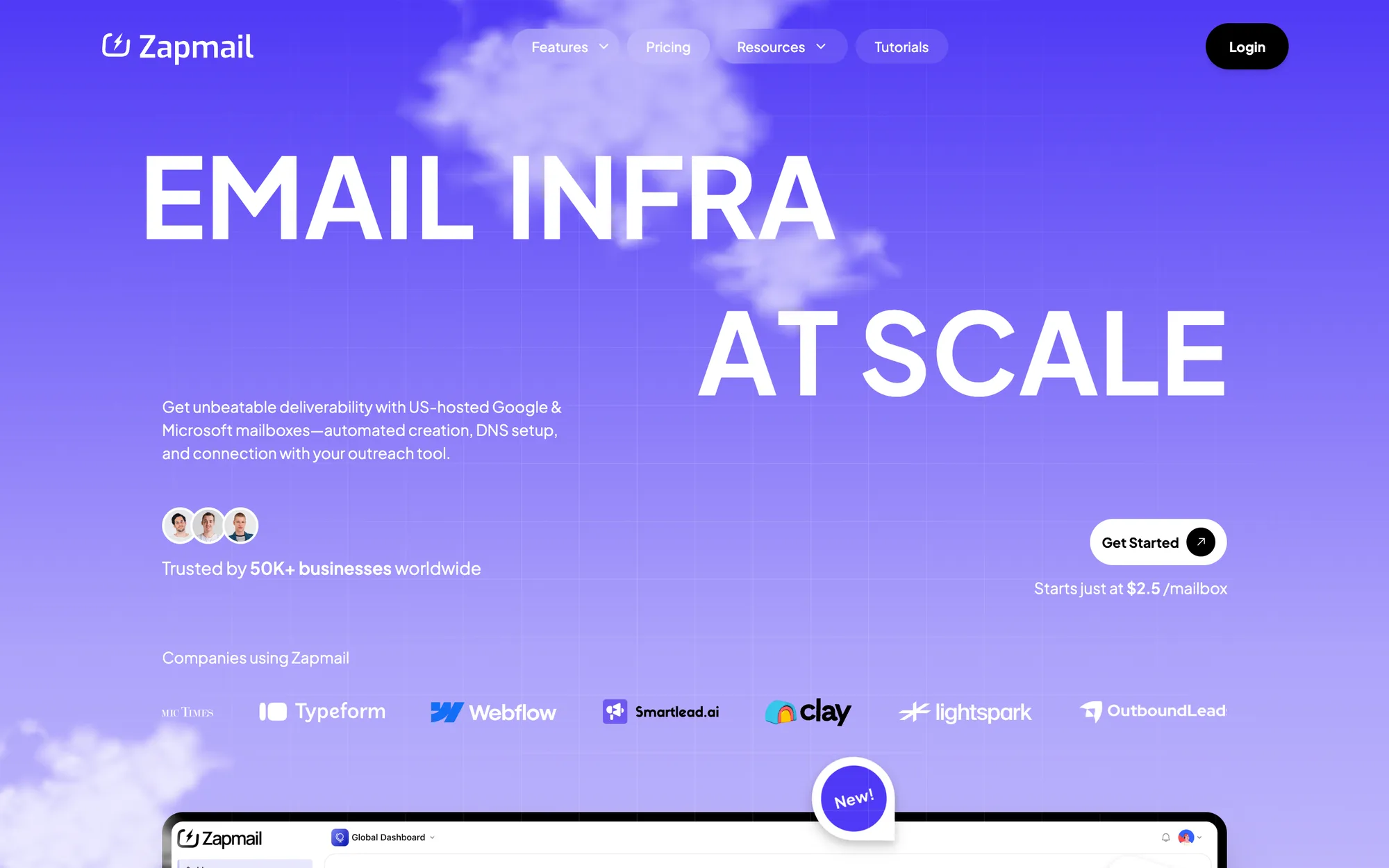
Cold email infrastructure breaks in ways nobody sees until a campaign is already dead — a domain bought but half-configured, DNS records missing, mailboxes still cold on the morning of the first send. The constraint for the redesign was to fold all of it into one path: buy or connect a domain, generate the mailboxes, write the records, warm them, hand them to an outreach tool.
The second half of that is making the result legible. Every piece of the setup had to report its own state on one screen, so infrastructure health is something you read at a glance rather than something you discover after a send.
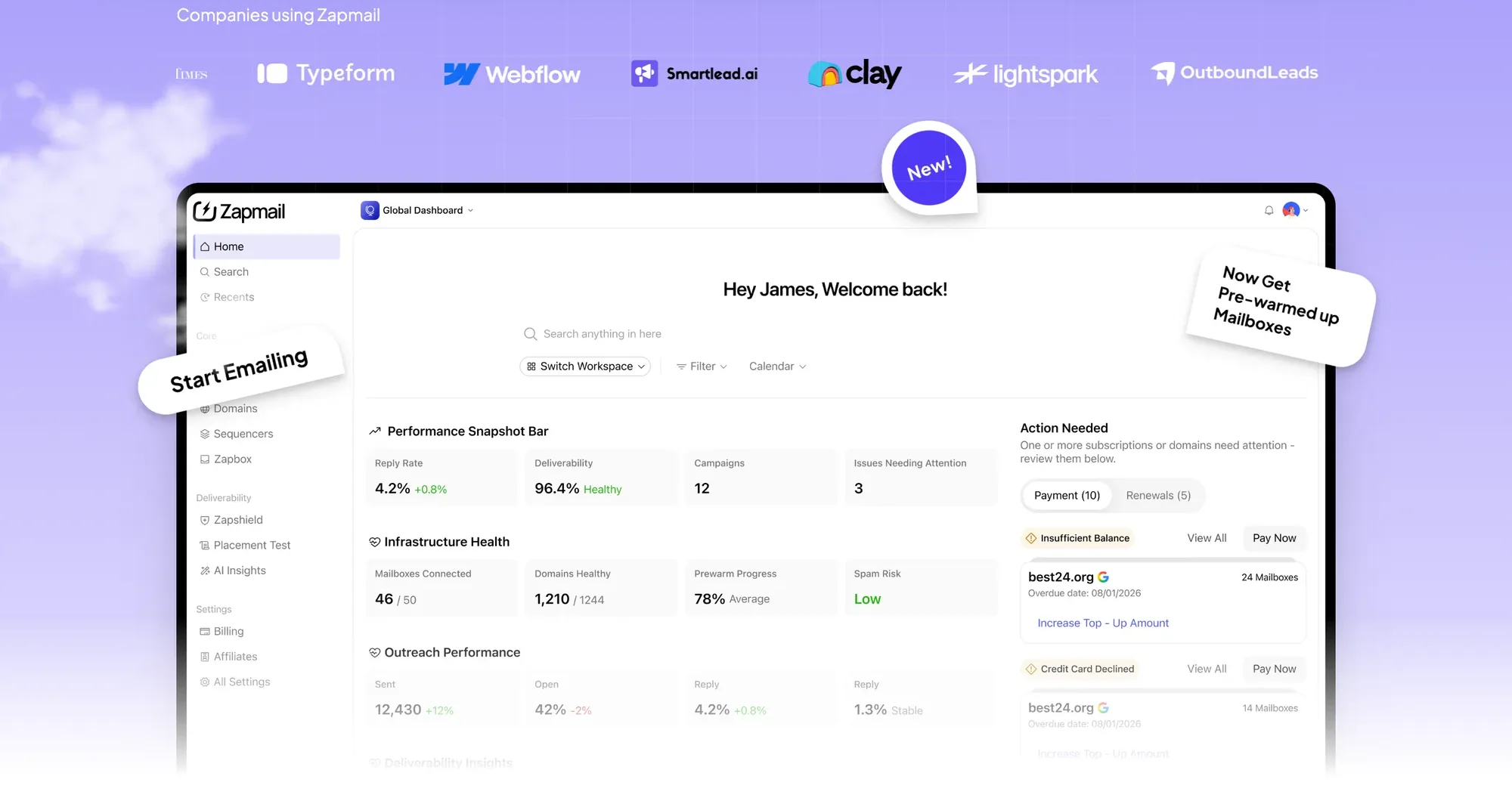
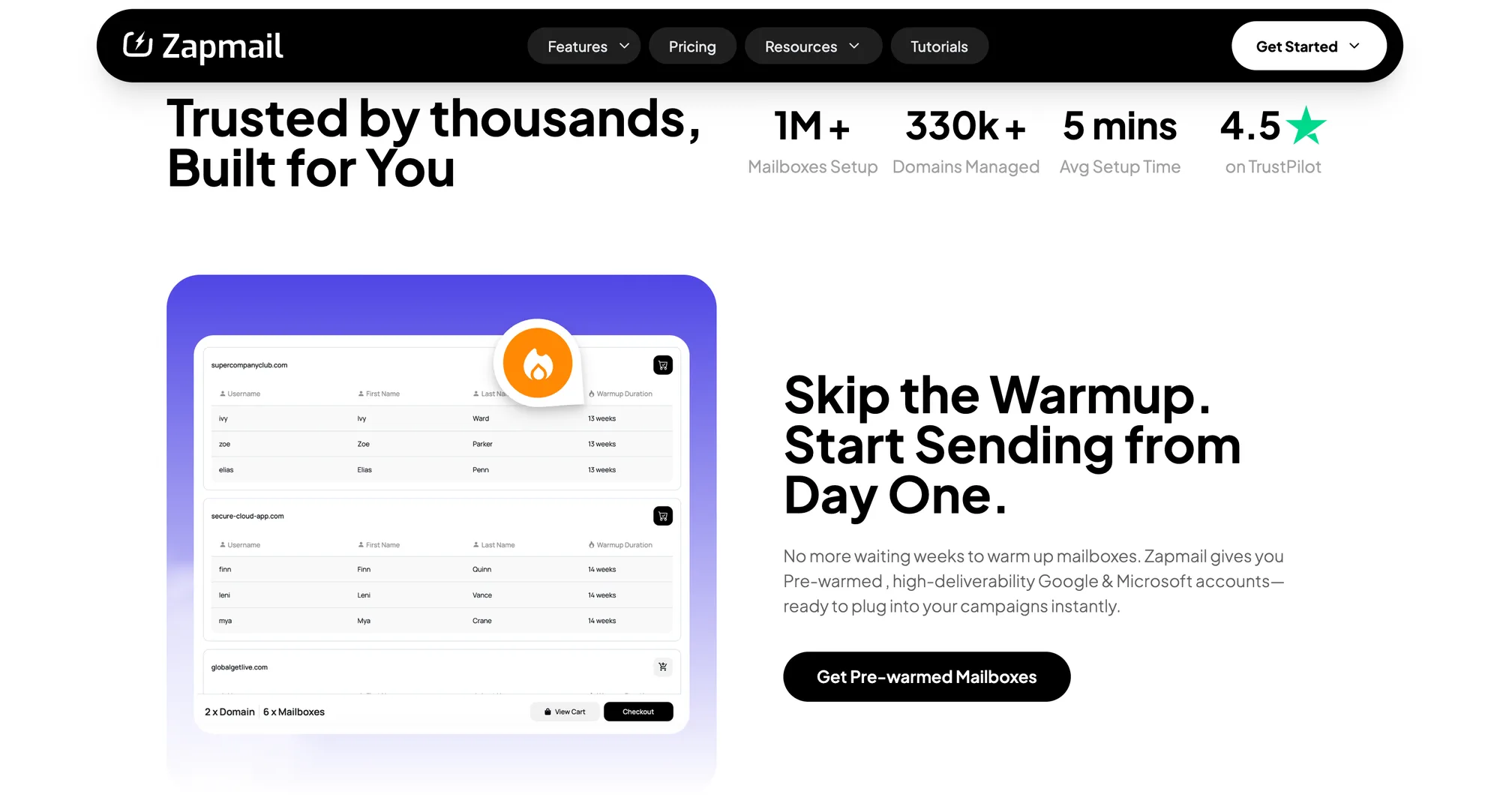
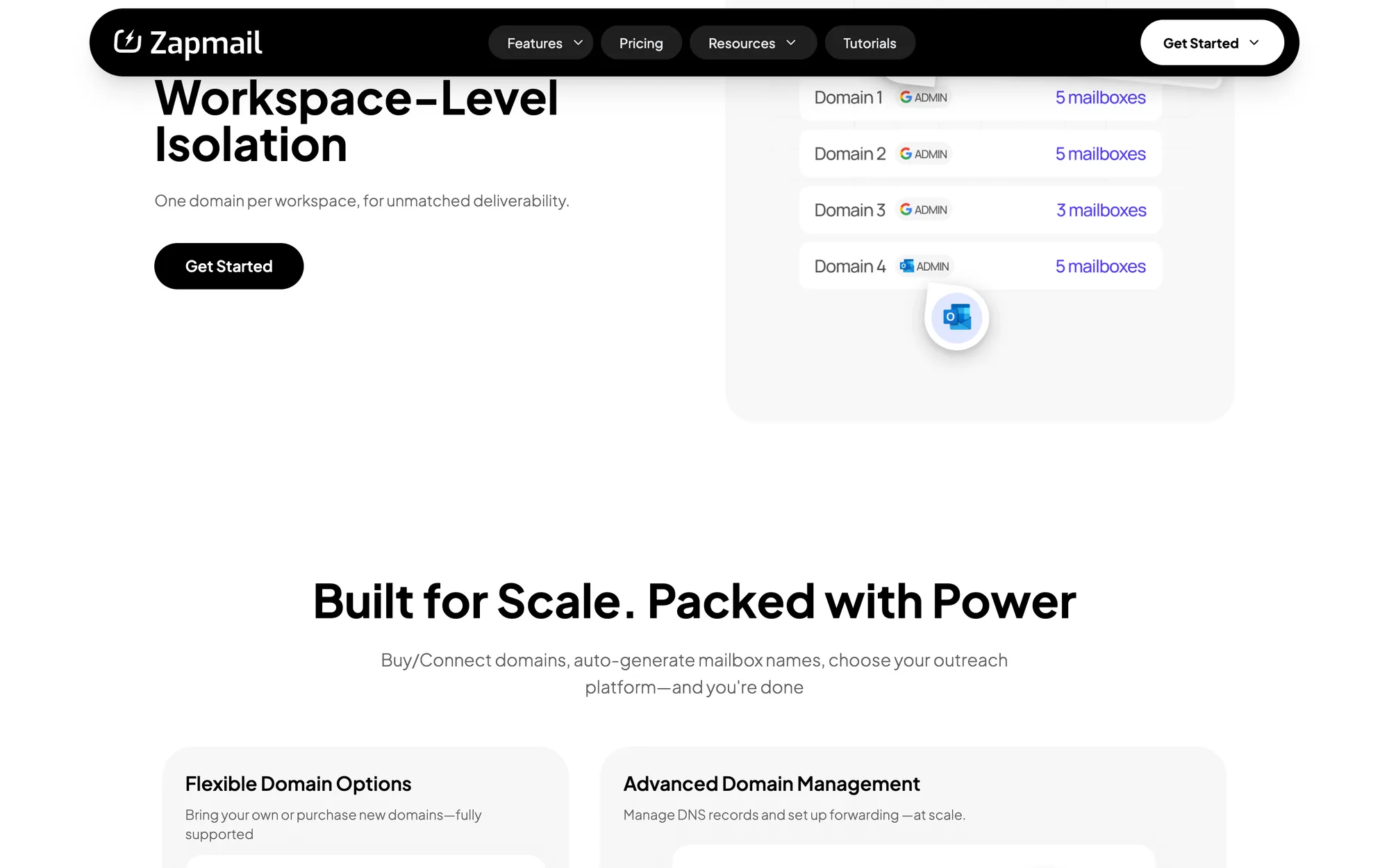
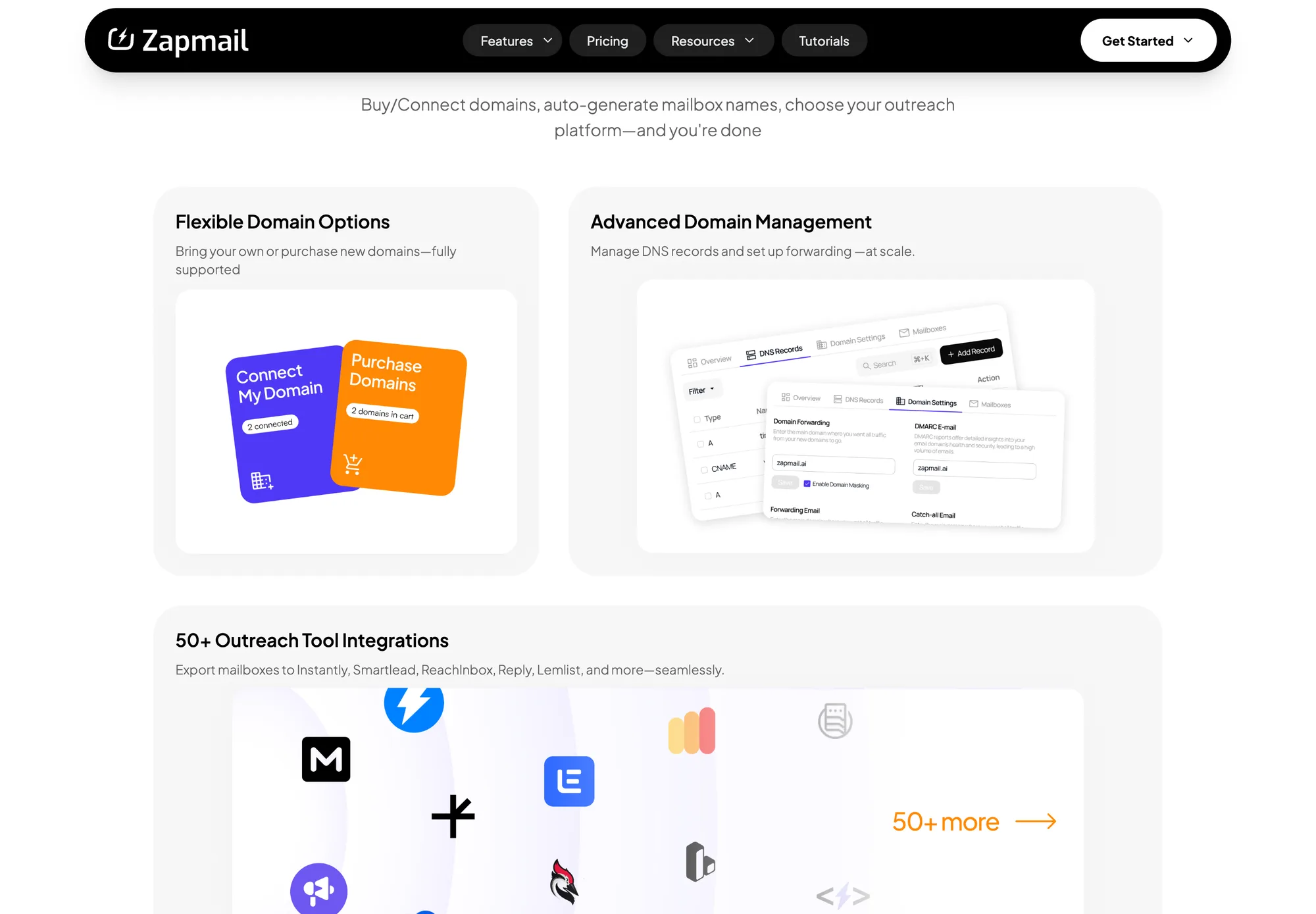
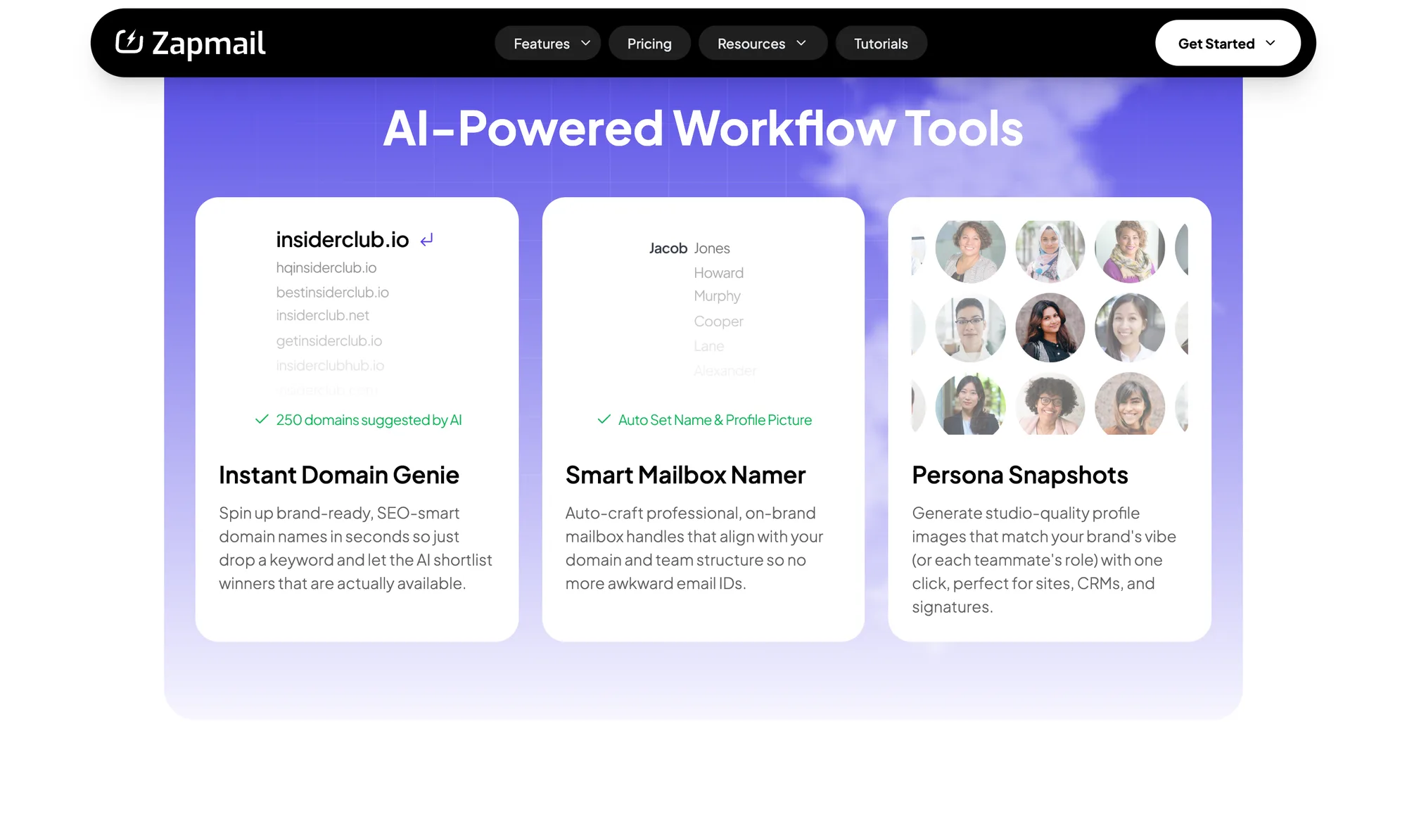
Past provisioning, the friction moves upstream — deciding what a domain should even be called, and what the mailboxes behind it are named. Those became assisted surfaces rather than blank fields: a domain shortlist filtered to what is actually available, mailbox handles that follow the domain and the team structure, profile images to finish the persona.
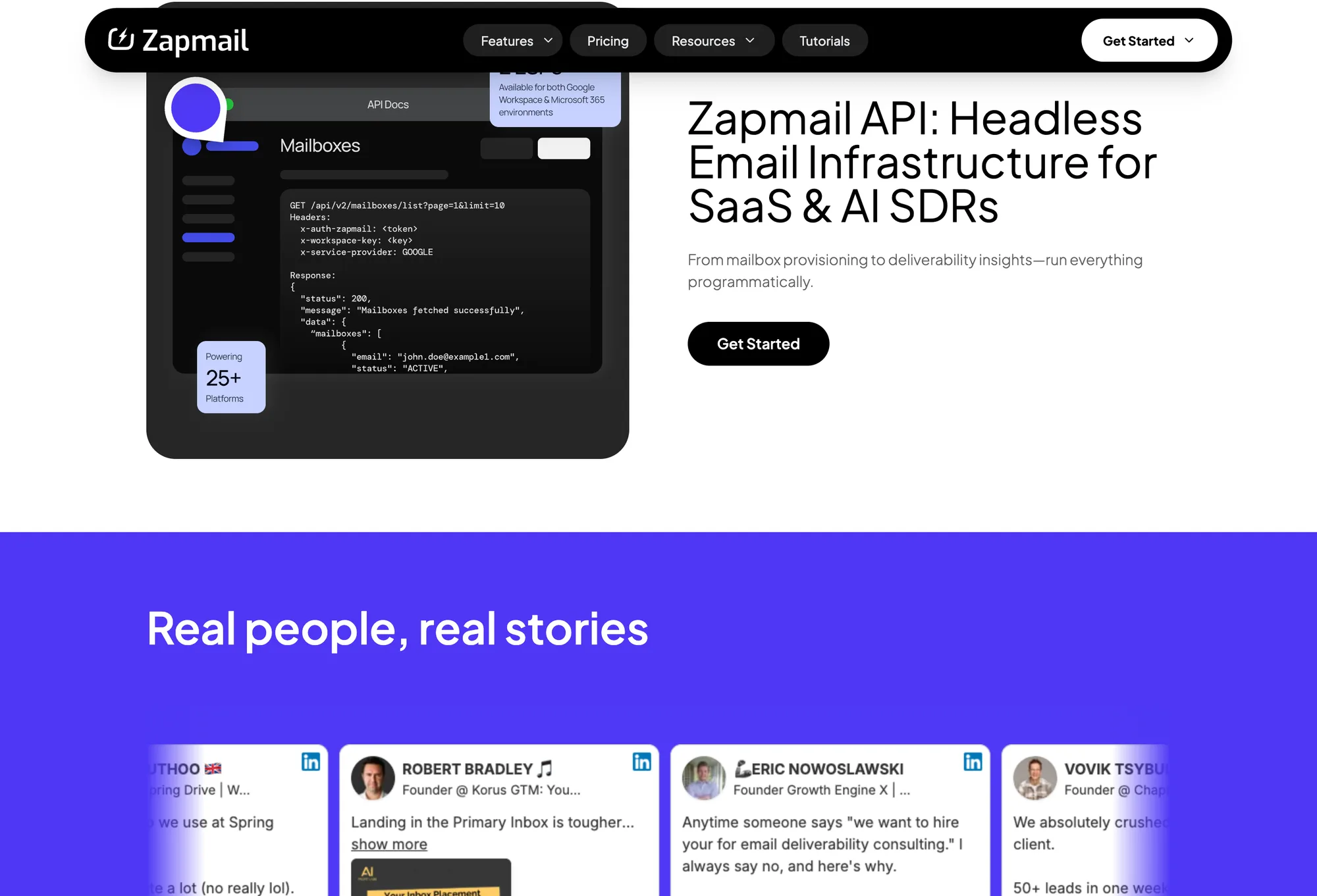
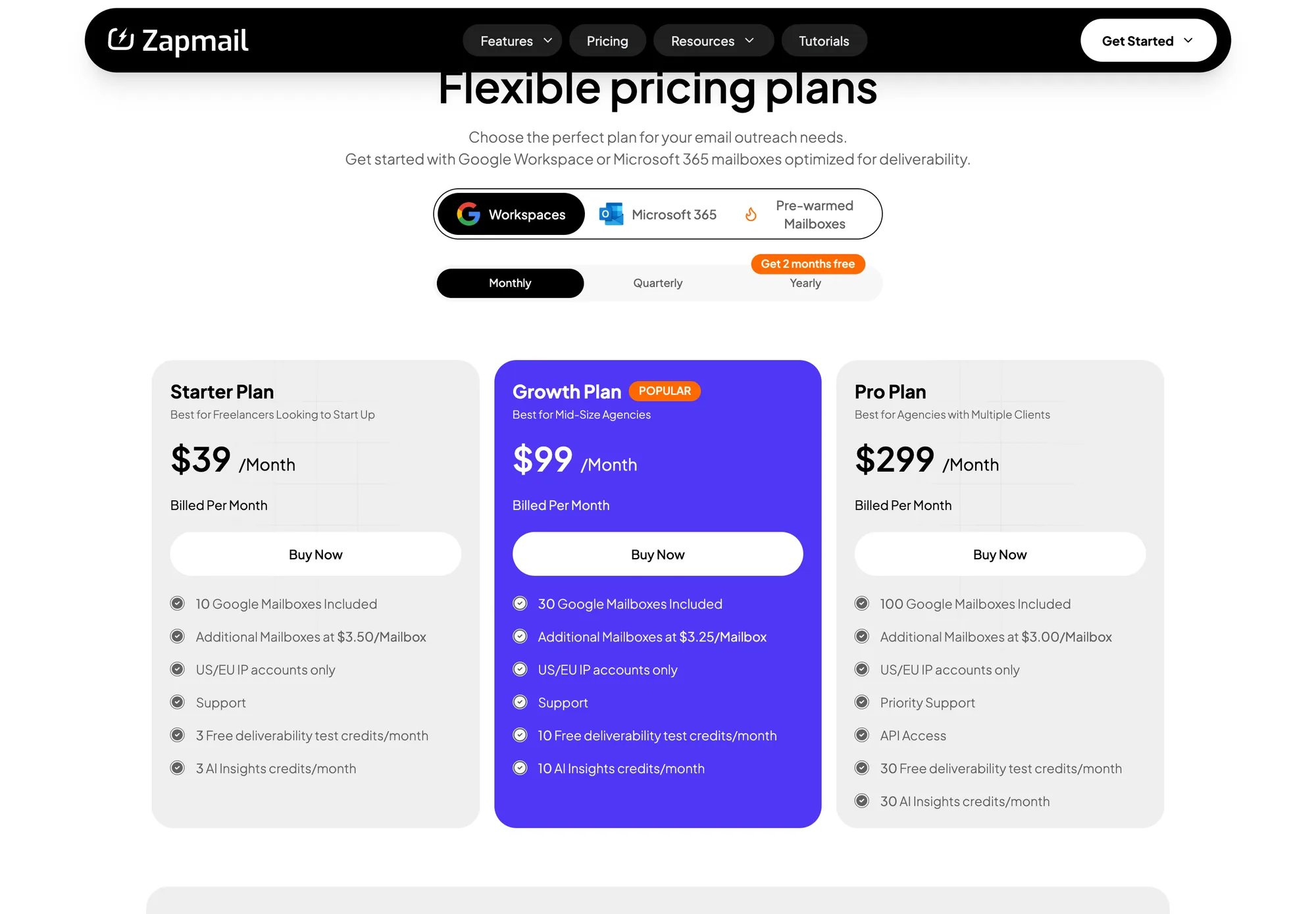
The same machinery is exposed headlessly for the SaaS products and AI SDR tools that provision inboxes without a person ever opening the dashboard. The comparison and pricing surfaces carry the argument in a blunter register — what setup costs on each alternative, and exactly what a plan includes.
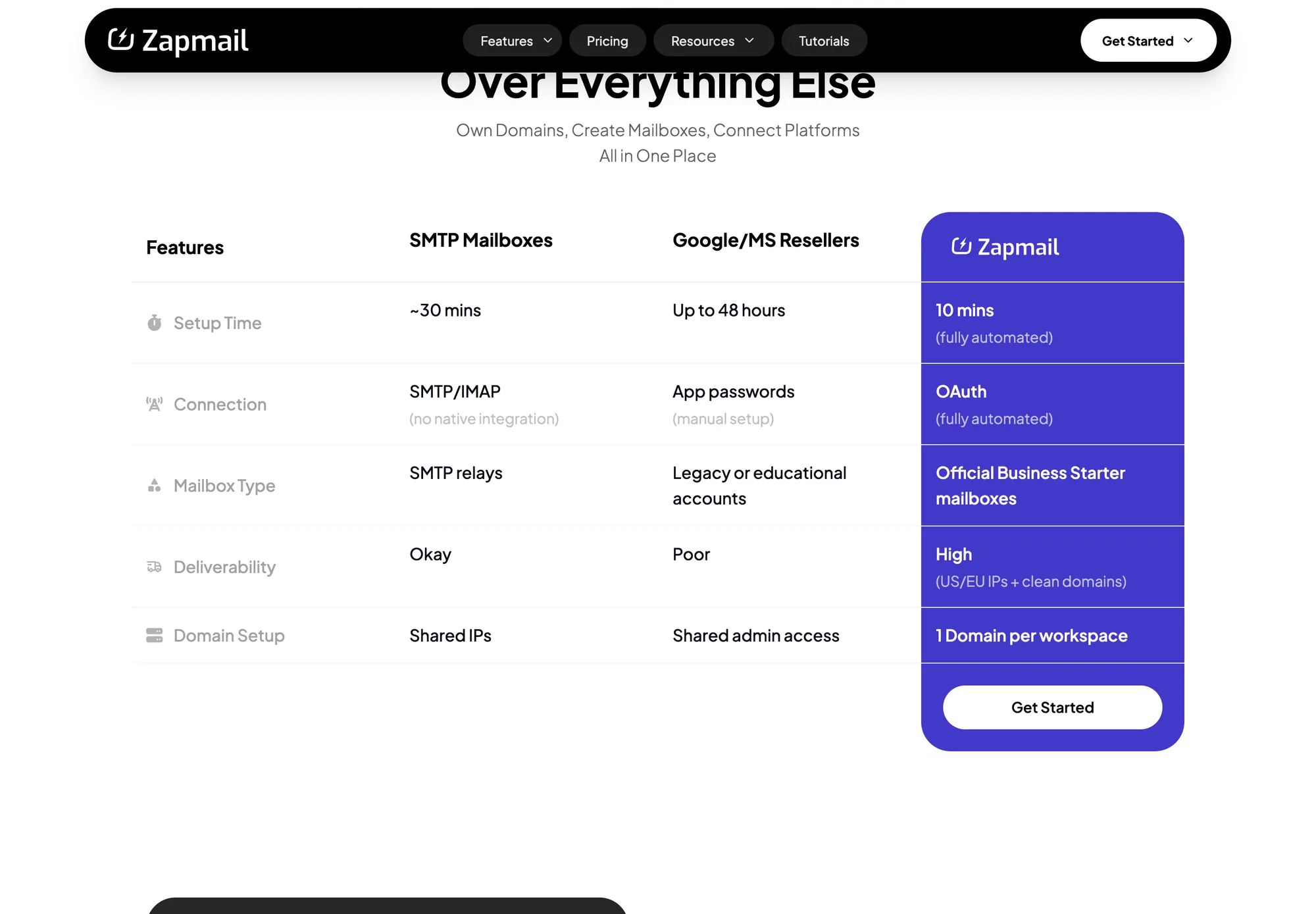
The objection, answered as a table.
Infrastructure is a hard thing to picture, so the identity work reached for objects instead of diagrams. A clay kiln for warm-up, the Zapmail mark for provisioning, an outreach icon for the hand-off — three tiles on a reel you pull once and walk away from.
The launch animations were built from that same small set of objects, which keeps the motion and the static marks in one family rather than two.
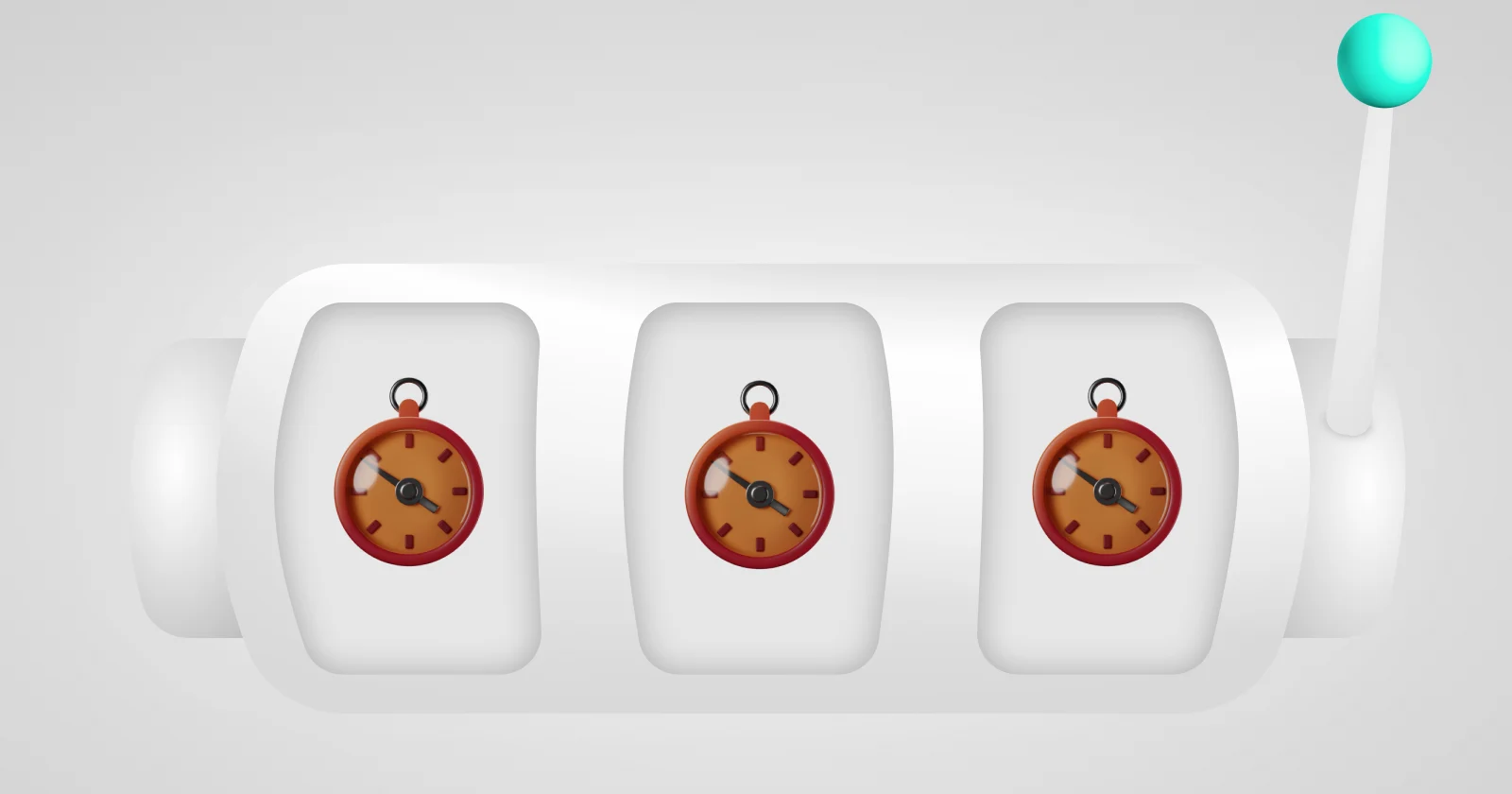
Reference geometry for the hero reel.
ARR moved from $4M to $25M+ across the redesign. What carried it was the removal of waiting rather than any single screen: a domain you buy inside the product, DNS you never open a registrar to edit, and a mailbox that arrives already warm.